 Save
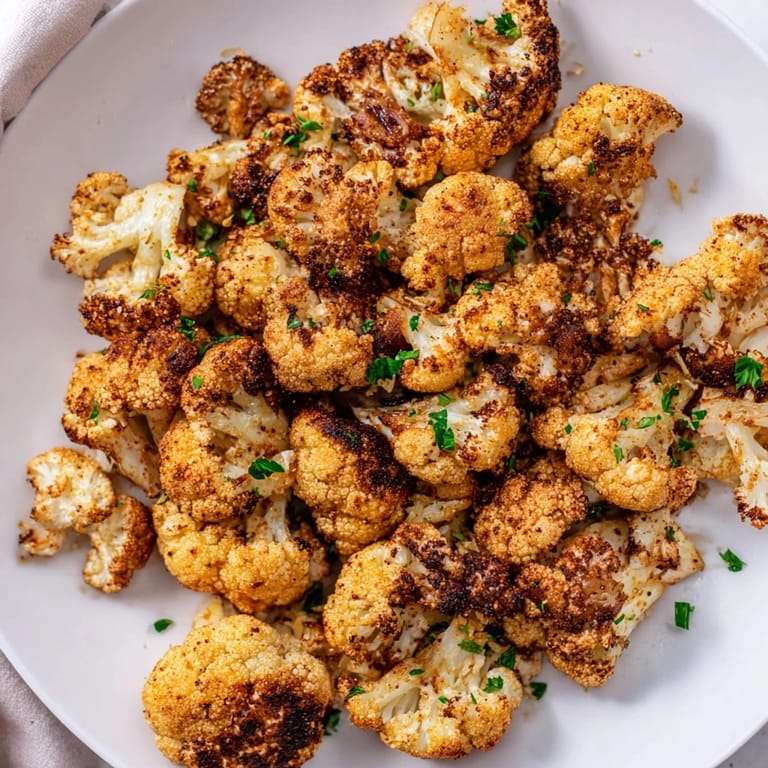
Save There's something almost meditative about roasting cauliflower—the way those pale florets transform into golden-brown clusters with crispy, caramelized edges. I discovered this dish during a lazy Sunday when I had half a head of cauliflower rolling around in my crisper and decided to stop treating it like a side character. Tossed with olive oil and warming spices, it emerged from the oven smelling like someone's spice market had exploded in the best way. That first bite convinced me that cauliflower wasn't just a vegetable to tolerate—it was something genuinely delicious.
I made this for a dinner party once when my pasta dish fell through, and I'll never forget the moment someone asked for the recipe mid-bite. They genuinely thought I'd bought it from somewhere fancy. My secret was just giving the florets space on the baking sheet—they roasted in their own cloud of heat rather than steaming each other. That crowded pan versus the spacious one taught me more about cooking than any formal lesson could.
Ingredients
- 1 large head cauliflower, cut into bite-sized florets: Look for one with tight, pale green leaves and no brown spots—it'll stay fresher longer. Cut your florets roughly the same size so they roast evenly.
- 3 tbsp olive oil: Don't skimp here; the oil is what creates those golden, crispy edges. Good olive oil makes a real difference.
- 1 tsp smoked paprika: This is the spice doing most of the heavy lifting, adding warmth and a subtle smoky depth.
- 1/2 tsp ground cumin: Cumin adds earthiness and ties everything together without being loud about it.
- 1/2 tsp garlic powder: Fresh garlic will burn at this temperature, so powder is your friend here.
- 1/2 tsp salt and 1/4 tsp black pepper: Season generously at the mixing stage so every floret gets its fair share.
- 2 tbsp fresh parsley and 1 tbsp lemon juice (optional): Save these for the finish—they brighten the dish right before serving.
Tired of Takeout? 🥡
Get 10 meals you can make faster than delivery arrives. Seriously.
One email. No spam. Unsubscribe anytime.
Instructions
- Heat your oven and prep your sheet:
- Set the oven to 220°C (425°F) and line a large baking sheet with parchment paper. A hot oven is essential—it creates the environment where cauliflower can actually caramelize rather than just soften.
- Coat your florets:
- Pour the olive oil into a large bowl, add all your spices, then toss the cauliflower florets until they're evenly coated with that spiced oil. Take your time here; you want every surface kissed with flavor.
- Spread and roast:
- Arrange the florets in a single layer on your baking sheet, cut-side down when possible. They need room to breathe, so don't crowd the pan—use two sheets if necessary.
- Flip halfway through:
- After about 12–13 minutes, flip the florets to the other side. This ensures golden color and crispiness on multiple surfaces, not just one.
- Finish and serve:
- Roast until the florets are deep golden brown and the edges are slightly charred, about 25 minutes total. Drizzle with lemon juice and scatter fresh parsley over the top if you like.
 Save
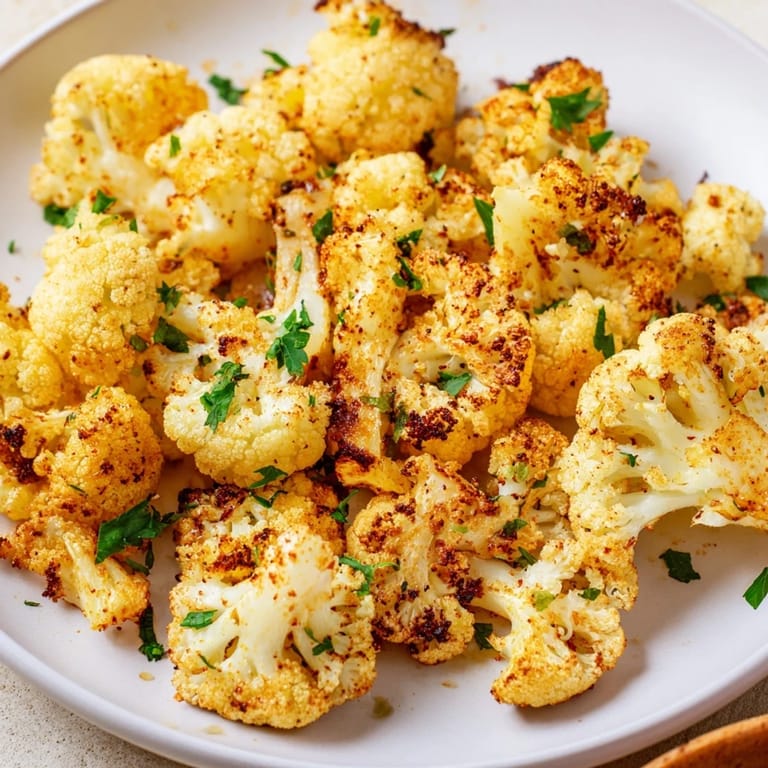
Save My mom actually started making this after I brought it to a potluck, which felt like a small victory. Now it's become her go-to when she wants to prove that vegetables can be exciting, and that's when I knew this recipe had staying power—when it stopped being mine and became everyone's.
The Spice Blend That Works
The combination of smoked paprika, cumin, and garlic powder isn't arbitrary—these spices complement cauliflower's natural sweetness while the roasting process amplifies them. You're not masking the vegetable; you're inviting its best flavor forward. The smoked paprika does most of the personality work, while the cumin and garlic powder provide grounding support.
Creative Variations to Try
Once you master the basic method, the spice world opens up. I've had success with curry powder for an Indian lean, zaatar for something Middle Eastern, and even just Italian herbs with a hit of red pepper flakes when I'm in that mood. The roasting technique stays the same; only the seasoning shift changes the story.
Making It Your Own
The real magic isn't in following the recipe exactly—it's in understanding that roasting brings out cauliflower's natural sweetness and that enough heat and space create texture. Once you've made it once, you're free to improvise. Some nights I'll add grated Parmesan before roasting; other times I finish with a drizzle of tahini or a squeeze of lime instead of lemon.
- Save any leftover roasted cauliflower to toss into salads, grain bowls, or pasta the next day.
- If your oven runs cool, bump the temperature up by 10–15 degrees so florets caramelize faster.
- Leftover cauliflower keeps for three to four days refrigerated and reheats beautifully at 180°C for ten minutes.
 Save
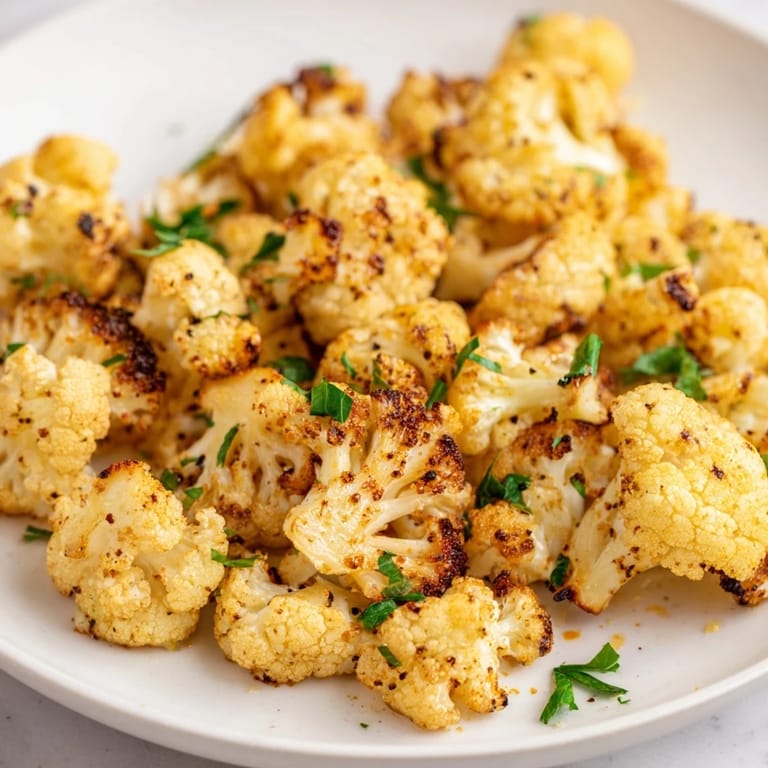
Save Roasted cauliflower has taught me that simplicity and proper technique are powerful teachers. Make it once, and you'll understand why people keep asking for more.
Recipe FAQs
- → What temperature is best for roasting cauliflower?
Roasting at 220°C (425°F) allows the cauliflower to become golden and caramelized while tenderizing the florets without drying them out.
- → Can I use other spices instead of smoked paprika?
Yes, spices like curry powder, zaatar, or chili flakes work well and provide different flavor profiles.
- → How do I ensure evenly roasted cauliflower?
Arrange the florets in a single layer on a baking sheet and flip them halfway through roasting for even caramelization.
- → Is it necessary to use olive oil for roasting?
Olive oil helps achieve a crispy texture and enriches flavor, but other oils with high smoke points can be used as alternatives.
- → Can lemon juice be added before roasting?
It’s best to drizzle lemon juice after roasting to preserve its fresh, bright flavor without burning.