 Save
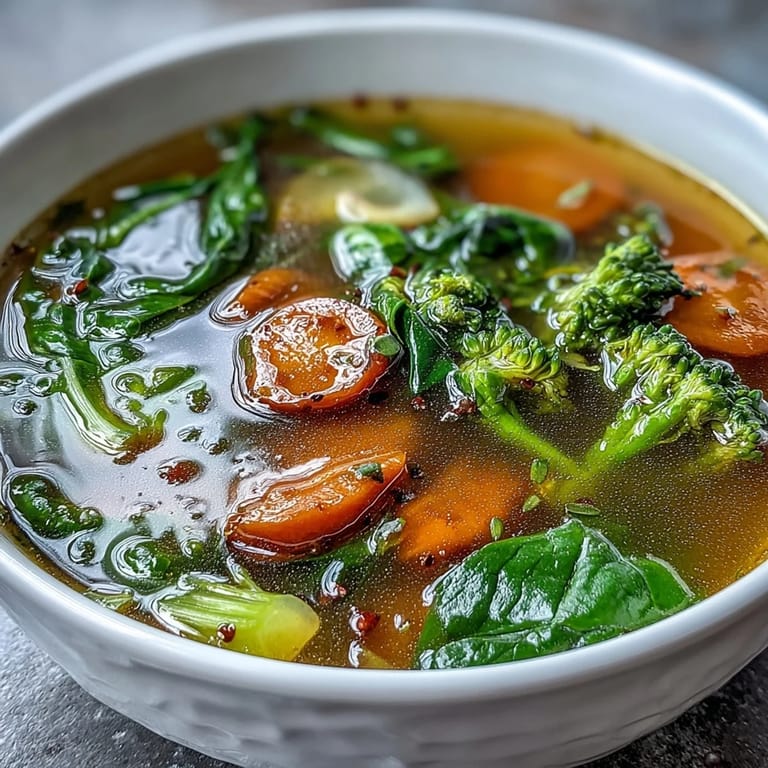
Save My hands were cold that January morning when I first ladled this broth into a bowl, steam rising like a small cloud of promise. A friend had mentioned she was drinking bone broth daily for her skin, and I was skeptical until I tasted hers—golden, rich, alive with ginger and turmeric. That afternoon I decided to make my own version, one that felt less like medicine and more like comfort. The kitchen filled with the most incredible smell, and by the time it was ready, I understood why she'd become so devoted to it.
I made this for my mom during her recovery from surgery, and watching her face light up as she tasted it was something special. She said it tasted like someone cared, which I suppose is what happens when you spend two hours gently coaxing flavor and healing into a pot. She started requesting it every few days, and somehow that bowl became our quiet ritual together.
Ingredients
- Beef or chicken bone broth (1.5 liters): This is everything—quality matters here because it's your foundation, so splurge on a good one or make your own if you have time.
- Yellow onion, quartered (1 medium): The onion sweetens subtly as it simmers and helps extract minerals from the broth.
- Garlic, smashed (4 cloves): Smashing releases the oils and lets the garlic distribute its flavor evenly throughout the liquid.
- Fresh ginger, sliced (1 thumb-sized piece): Slicing rather than mincing keeps it gentle and prevents it from becoming stringy in the broth.
- Fresh turmeric, sliced (1 thumb-sized piece, or 1 tsp ground): Fresh turmeric has a brighter, more delicate flavor than the powder, but both work beautifully here.
- Apple cider vinegar (2 tbsp): This small amount helps your body absorb the minerals and adds a subtle brightness you won't quite identify.
- Black peppercorns (1 tsp whole): Whole peppercorns release their flavor gradually and keep the broth from tasting peppery in spots.
- Sea salt (1 tsp, to taste): Taste as you go—you can always add more, but you can't take it out.
- Carrots, peeled and sliced (2 medium): The natural sweetness becomes concentrated during cooking, balancing the earthy spices.
- Celery stalks, sliced (2): Celery adds a mineral quality that makes the broth feel even more nourishing.
- Broccoli florets (1 cup): These add substance without weighing the bowl down, plus they stay a beautiful green if you time it right.
- Baby spinach (1 cup): It wilts in seconds at the end, adding iron and keeping the broth light.
- Zucchini, sliced (1): The zucchini stays tender and absorbs the broth's flavor beautifully.
- Fresh parsley or cilantro (2 tbsp chopped): Choose whichever you love—parsley is classic, cilantro adds a bright, almost citrusy note.
- Sesame seeds (1 tbsp optional): These add a nutty finish and a little textural surprise.
- Lemon wedges: A squeeze of fresh lemon at the end transforms everything, lifting all the flavors at once.
Tired of Takeout? 🥡
Get 10 meals you can make faster than delivery arrives. Seriously.
One email. No spam. Unsubscribe anytime.
Instructions
- Build your broth base:
- Pour your bone broth into a large stockpot and add the onion, garlic, ginger, turmeric, apple cider vinegar, peppercorns, and salt. Bring everything to a gentle boil over medium-high heat—you're looking for a slow, steady bubble, not an aggressive roll.
- Let time do the work:
- Reduce the heat to low, cover the pot, and let it simmer for 1.5 hours. This isn't babysitting time; just check occasionally and listen for that quiet, contented murmur.
- Strain with care:
- Pour the broth slowly through a fine mesh sieve into a clean pot, letting the solids settle naturally. The liquid that comes through will be clearer and more refined, with all the essence you've been building.
- Welcome the vegetables:
- Add your carrots, celery, and broccoli to the strained broth and simmer for about 10 minutes, until they're just tender but still have a bit of bite. You're looking for that perfect moment before they soften too much.
- Add the final greens:
- Gently stir in the zucchini and spinach and let them cook for 2–3 minutes until the spinach turns a vibrant dark green and wilts softly. This brief cooking preserves their delicate texture and nutrition.
- Taste and adjust:
- Always taste before serving and add more salt if needed—the broth should taste like something you want to drink on its own, not something that needs rescuing.
- Serve with ceremony:
- Divide the broth and vegetables among bowls, scatter your herbs and sesame seeds over the top, and serve with a lemon wedge on the side for squeezing.
 Save
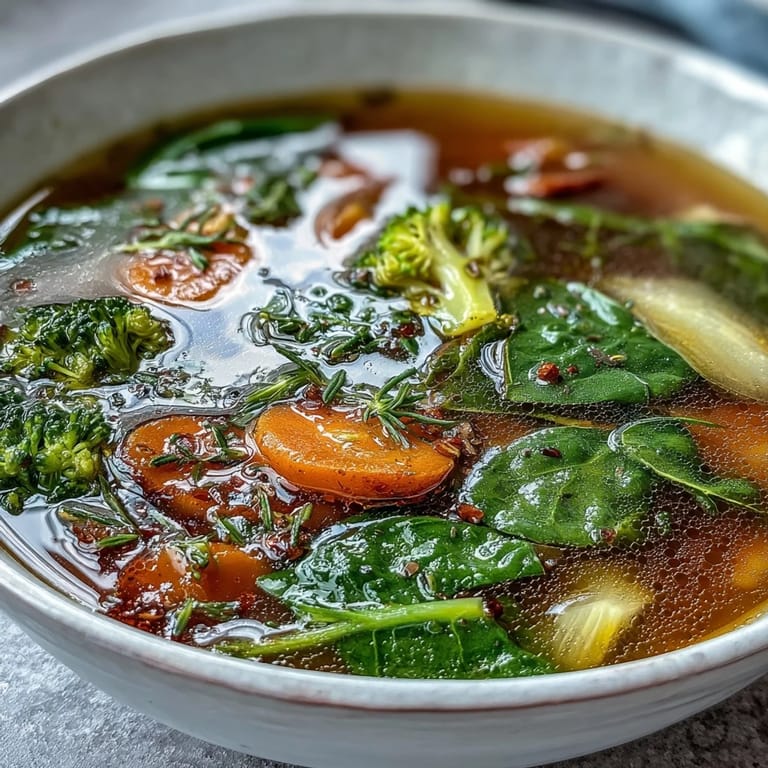
Save There's something almost meditative about watching this broth come together, the way the kitchen fills with warmth and spice. It stopped being about following a recipe and became about taking care of myself in the most honest way.
The Magic of Slow Simmering
I used to rush through cooking, always watching the clock, but this broth taught me something different. When you give time to a pot of good ingredients, something chemical and beautiful happens that you can't speed up or fake. The broth becomes golden and rich, the vegetables soak up all those flavors, and your whole body feels the difference when you drink it.
Personalizing Your Bowl
One evening I added shredded chicken to my bowl and realized it transformed from a side dish into a complete meal. You can swap in whatever vegetables are at the market that day—mushrooms, bok choy, kale—and the broth adapts beautifully. The base is forgiving enough to become whatever you need it to be, whether that's a pre-workout nourishment or a gentle dinner after a long day.
Seasonal Variations and Storage
I've made this in every season, and somehow it always feels exactly right—warming in winter, light in spring, refreshing in summer when chilled. The broth keeps beautifully in the refrigerator for up to five days, and you can freeze it in portions if you want to make a bigger batch on a Sunday afternoon.
- Try adding mushrooms in fall or tender bok choy in spring for seasonal variety.
- Pair it with a simple grain like rice or quinoa if you want extra substance, or keep it broth-based for the lightest version.
- Drink any leftover broth on its own as a nourishing snack throughout the week.
 Save
Save This broth has become my answer to so many things—a rough day, a body that needs healing, a morning when everything feels heavy. It's simple enough to make regularly but nourishing enough to feel like an act of self-love.
Recipe FAQs
- → Can I make this vegetarian?
Yes, substitute bone broth with high-quality mushroom broth or vegetable broth for a vegetarian version while maintaining depth of flavor.
- → How long does it keep in the refrigerator?
Store cooled bowls in airtight containers for up to 4 days. The flavors continue developing, making it ideal for meal prep.
- → Can I freeze this broth bowl?
Freeze portions for up to 3 months. Thaw overnight in the refrigerator and reheat gently, adding fresh greens before serving.
- → What vegetables work best in this bowl?
Carrots, celery, broccoli, zucchini, and spinach provide variety. Try kale, bok choy, or mushrooms based on season and preference.
- → Why add apple cider vinegar?
Apple cider vinegar helps extract minerals and collagen from bones during the long simmer, maximizing nutritional benefits and depth of flavor.
- → Can I add protein to this bowl?
Shredded cooked chicken, tofu cubes, or soft-boiled eggs make excellent protein additions while keeping the bowl light and nutritious.